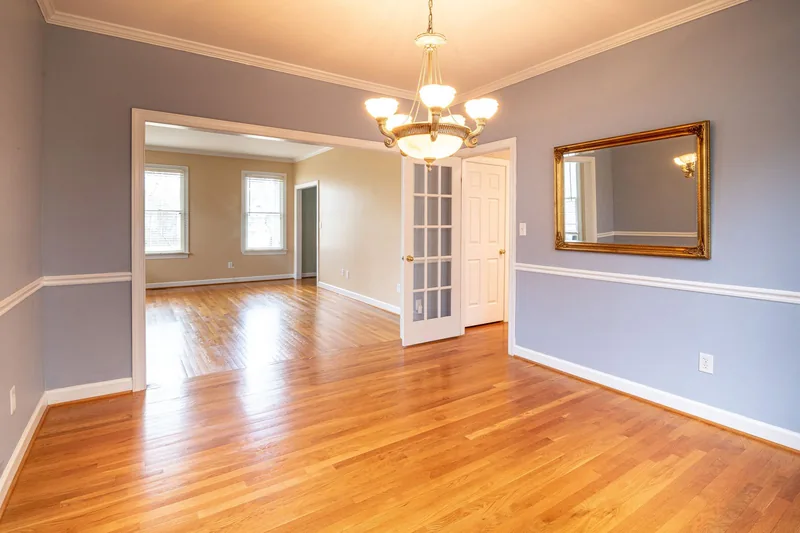
Biohazard Cleanup for Homes and Apartments
Houses and apartments, including condos and high-rise units, can receive sewage cleanup plus cleaning after death, crime, blood or hoarding.
Learn moreGet blood, bodily fluids, odor and contaminated materials removed safely from any property in Maltby, day or night.
Containment, entry and cleanup plans can be influenced by local housing, population and access details.
Rental housing represents 9.5% of households here, so cleanup information should still explain when a landlord must approve structural work.
Local housing centers on 1985, making inspection beneath finished surfaces important when contamination extends past the visible area.
In Maltby, 166 older adults live alone, so relatives may need clear photos and records when managing cleanup from afar.
Because 91.4% of local housing is single-family, owners often can make direct decisions about removing affected structural materials.
Biohazard cleanup is the safe removal, disinfection and disposal of blood, bodily fluids, tissue and other infectious or hazardous materials after a death, a crime, an accident, a hoarding situation or a sewage backup.
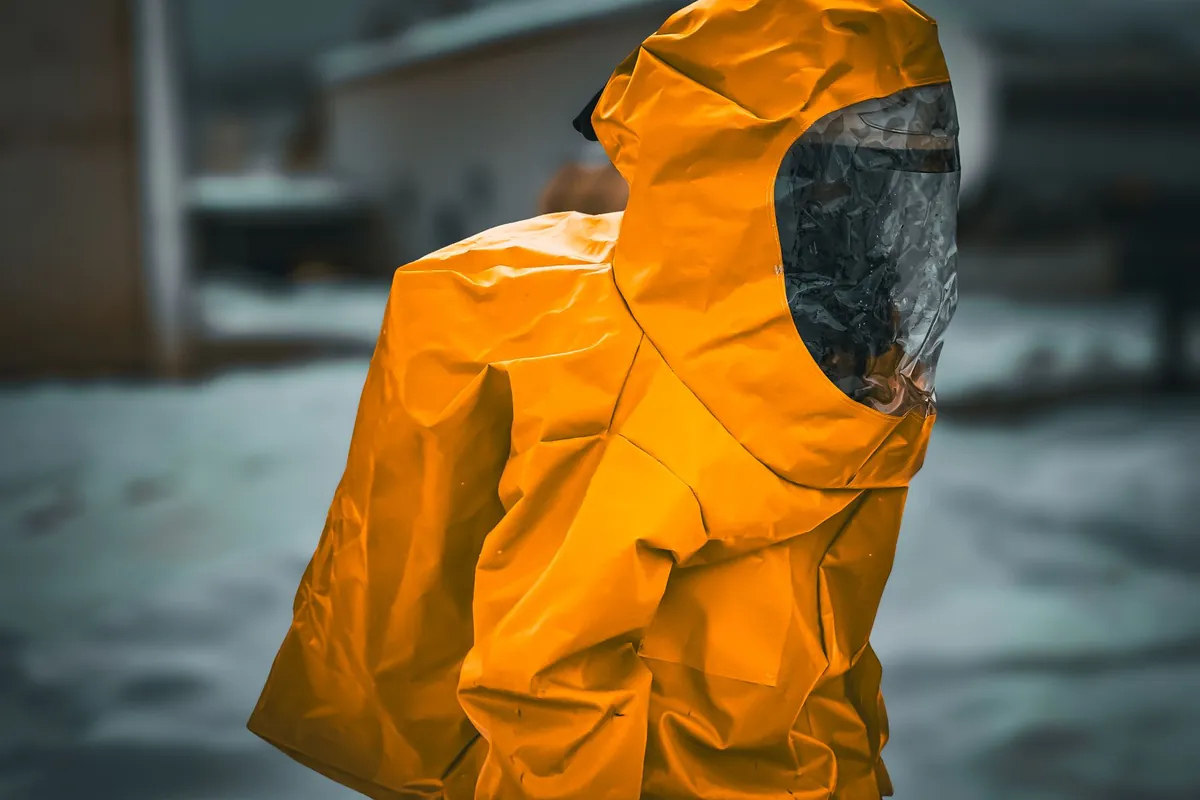
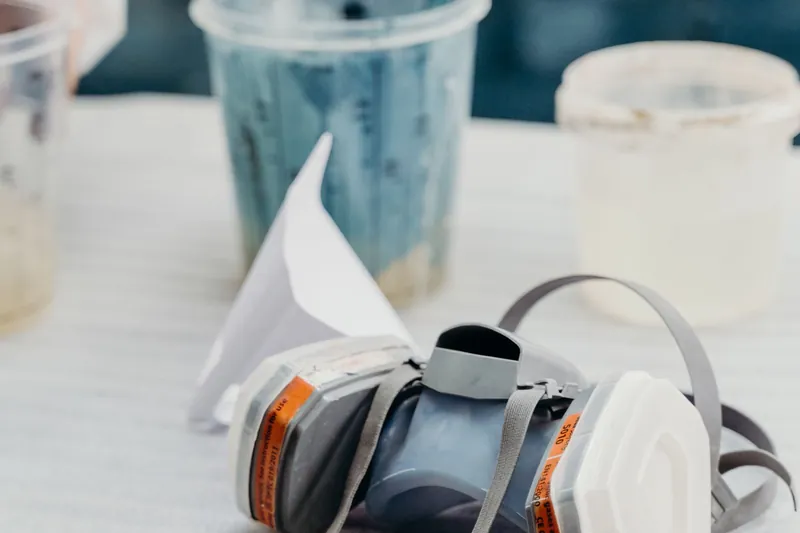
Bio cleanup, trauma cleanup, bio hazard cleaning and biohazard remediation describe the same work. Professional biohazard cleanup is more involved than deep cleaning. Technicians use personal protective equipment, locate every contaminated place, remove porous material that disinfection cannot save and treat affected areas until each reaches a livable condition.
After traumatic events in Maltby, crime scene cleaning and other specialized cleaning can begin as soon as the property is released. Biohazard removal services across the surrounding areas include scene cleaning, hazardous waste disposal and fentanyl cleanup, with emergency response at any hour. Crime scene cleaners aim to restore safety while giving families respectful, compassionate service.
Biohazards are real health hazards that can make people seriously ill, and the contamination you can see is rarely all of it.
Hepatitis C and B, along with HIV, can survive in blood. According to the CDC, hepatitis B remains viable on surfaces for at least seven days.
Hepatitis A, salmonella and E. coli travel in raw sewage, while materials left wet may develop mold in 24 to 48 hours.
Fluids, gases and bacteria from decomposition can penetrate flooring and move into other rooms through ventilation.
Although bleach and sprays may clean on top, absorbed fluids remain in drywall, subfloor, carpet and its pad. What is left behind brings odor and bacteria back, which is why decontamination services remove it.
Houses and apartments, including condos and high-rise units, can receive sewage cleanup plus cleaning after death, crime, blood or hoarding.
Learn more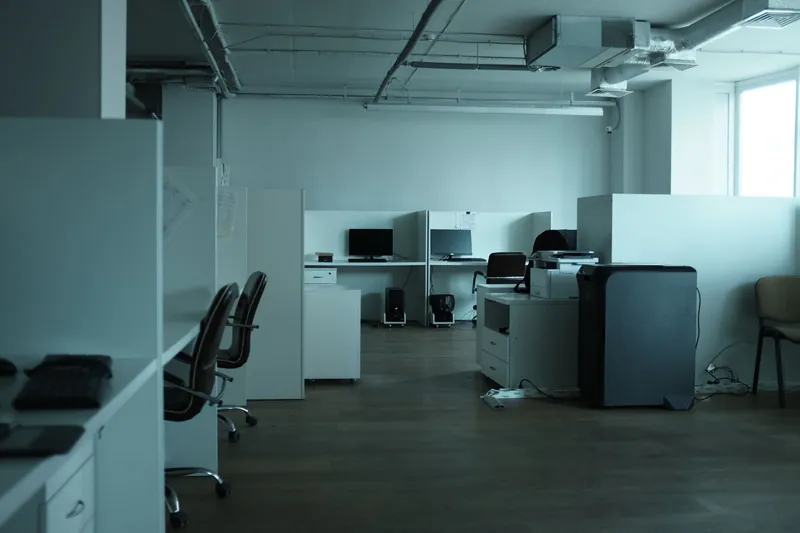
Commercial properties can arrange commercial biohazard cleanup around your operating hours following industrial accidents, exposures, injuries or break-ins.
Learn more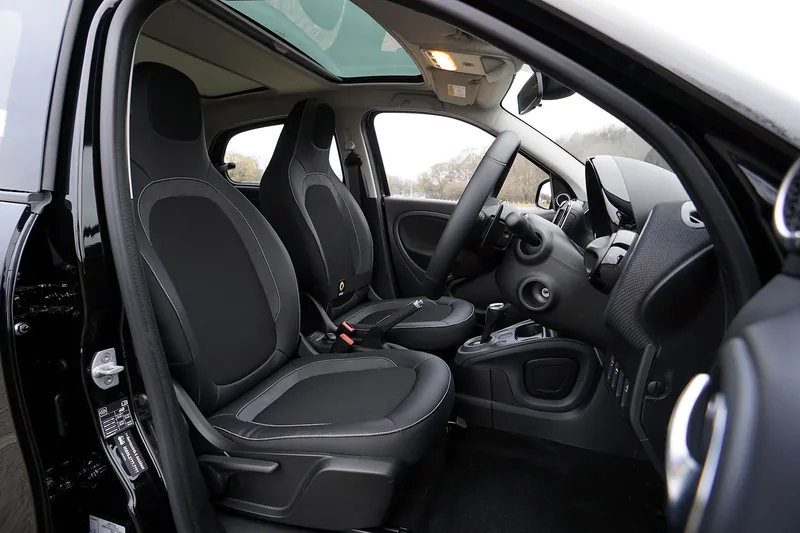
Vehicle biohazard cleanup treats seats, carpet and vents affected by bodily fluids, blood or odors.
Learn more
Cleanup gets a unit ready for rental use and includes records for the owner and insurer.
Learn moreFind the cleanup page suited to your circumstances. You can also call if you are not sure which service applies.
Most people only face this once. Following the right opening steps helps protect your health while preserving your claim and cleanup cost.
Call (888) 440-9227From the initial call through the last inspection, the biohazard cleanup process follows a consistent order designed for safety.
The caller describes what occurred. Technicians inspect the scene, photograph it and agree the scope with you.
To prevent contamination from moving elsewhere, the affected area is closed off using plastic sheeting.
After infectious materials soak into carpet, pad, drywall or similar porous items, the affected pieces are removed and sealed for medical waste, so no affected material is left behind.
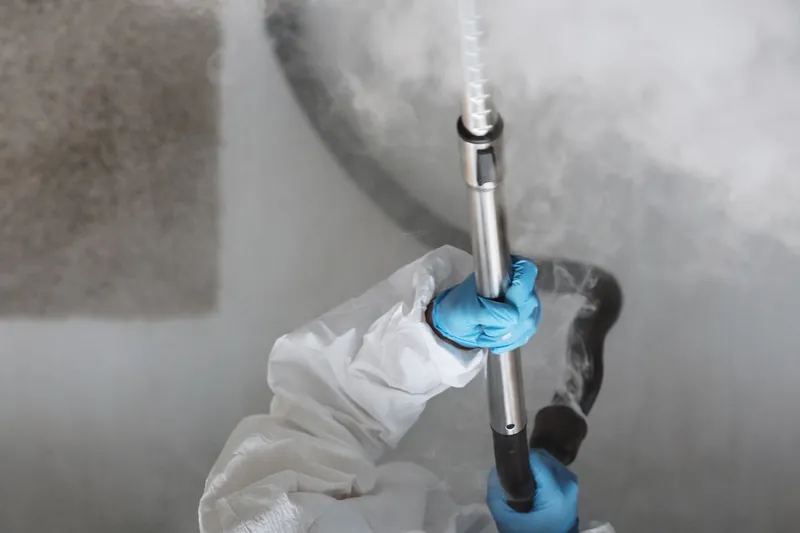
Hospital-grade disinfectant registered by the EPA is applied after all surfaces are cleaned.
Odor is treated at the source with air scrubbers, hydroxyl or ozone, and vents are checked.
Waste is sealed, tracked with paperwork and taken to a permitted facility for medical waste treatment.
Where needed, ATP testing helps check that the space has returned to a livable condition. You also get photographs and documentation for your claim.
Your own contractor or a vendor working with your insurer can replace any removed drywall or flooring.
The Fixr guide shows $3,000 to $5,000 as the usual national range when you hire biohazard cleanup. Your price depends on the kind of job. Blood cleanup for minor jobs costs $500 to $2,500, while a sewage backup costs $2,000 to $10,000. The final price follows an on-site assessment.
Often, it does. After a sudden death, crime or sewage backup, homeowners or renters insurance often covers biohazard cleanup minus your deductible.
Washington's Crime Victims Compensation Program, run by the Department of Labor and Industries, does not pay for crime scene cleanup, so victims of violent crime should ask what it does cover. Insurance is usually checked first.
Sudden and accidental events are usually covered. Insurance commonly excludes neglect over time and hoarding. Contact your insurer ahead of any cleanup.
In rental units and common areas, the owner or property manager usually arranges and pays for cleanup.
After a death, cleanup costs can often be paid by the estate. This is generally managed by the executor or a family member.
Call any hour. Ask a specialist to clarify the next cleanup steps for your property.
Typical national pricing for biohazard cleanup runs $3,000 to $5,000 in the Fixr guide. Minor blood cleanup runs $500 to $2,500, and a sewage backup runs $2,000 to $10,000.
Many renters and homeowners policies include biohazard cleanup for sudden events, less the deductible. Slow neglect and hoarding are generally excluded from coverage.
Some can last a long time. The CDC says hepatitis B can survive on surfaces for at least seven days, so dried blood should be treated as infectious.
Any biological substance capable of causing illness is a biohazard, including tissue, bodily fluids, blood, used needles, untreated sewage, human waste and animal waste.
Symptoms from sewage germs often start within one to three days, and some infections take longer. Do not make contact, and keep pets and children out.
Someone answers your call 24 hours a day, on weekends and holidays too.