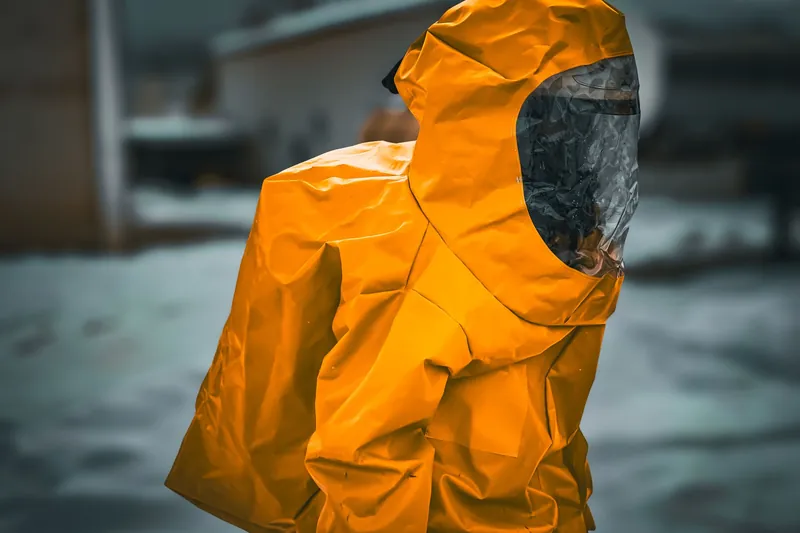
Biohazard Cleanup
Removal and disinfection of blood, body fluids and other infectious material from any property.
See biohazard cleanupGet blood, bodily fluids, human waste, sharps and source odor removed from a hotel room, Airbnb, vacation rental or long-term rental in Maltby. The area is contained, cleaned, disinfected and documented.
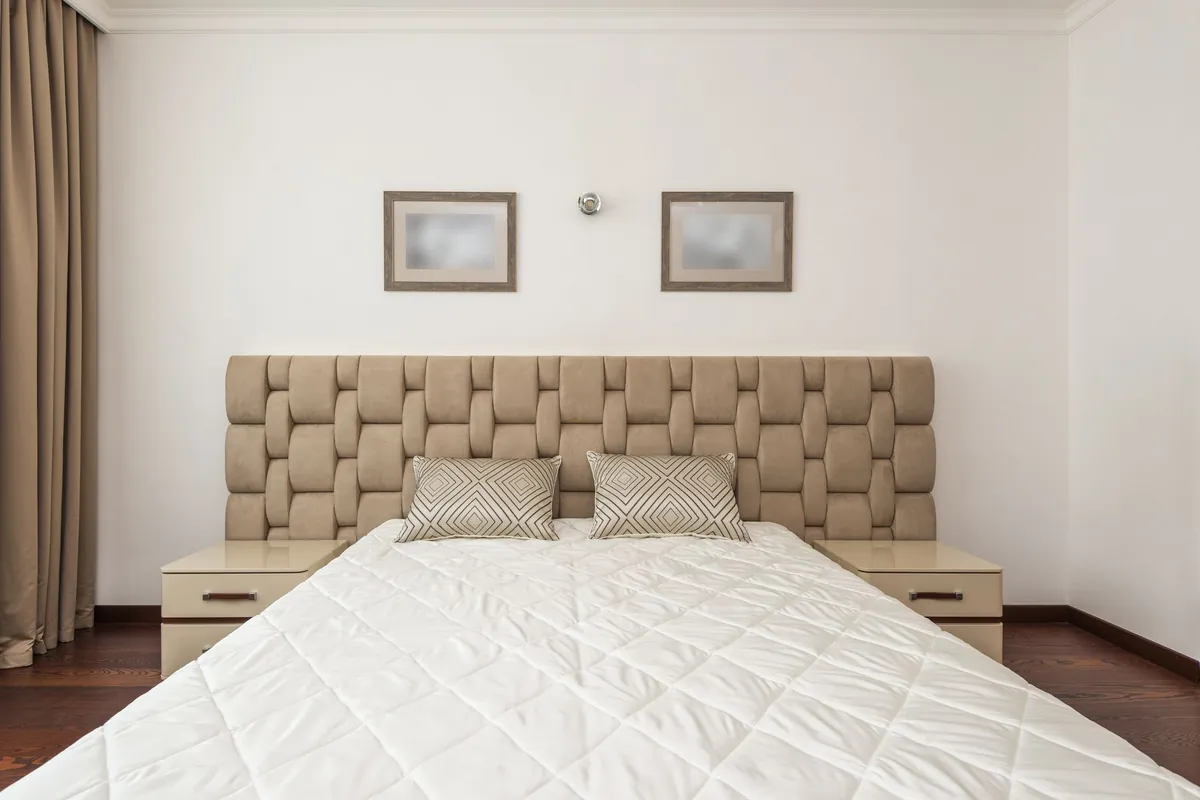
Rental property biohazard cleanup is the safe removal of bodily fluids, human waste, sharps and other hazardous materials from guest rooms, apartments and shared spaces, followed by cleaning, disinfection and odor treatment.
Routine turnover work covers common dirt, dust and leftover food. It is not suitable for a room affected by used needles, decomposition fluids, blood, vomit, feces, urine or another substance that could carry germs. If an exposure exceeds the training or protective equipment available to housekeeping staff, do not ask them to clean it.
Work starts with an assessment of the affected area, including nearby paths where staff, a tenant or a guest may have walked. Technicians protect adjacent spaces. Porous material comes out if disinfection is not possible, and hard surfaces receive an EPA-registered disinfectant for its labeled contact time. The intended result is a space free of contaminated items and source odor.
Each item of personal property receives documentation and careful treatment. Private details stay limited to the people who need them for safety, access and insurance.
You get an explanation of the affected area, materials that can stay, items that need removal and the factors that shape the cost before work begins.
Calls receive an answer around the clock, with crews arriving in unmarked vehicles. When available, a private entrance or service corridor can serve as the access route.
Waste records, work notes, photos and invoices can help substantiate the insurance claim while guiding the owner's repair and reopening plans.
A rental or hotel needs biohazard cleaning if the contamination is beyond what a routine cleaner can remove safely. Common situations are:
Bodily fluids, a strong source odor or drug paraphernalia found after a stay can require restricting the rental ahead of the next guest.
A short-term rental may need contaminated linens, soft furnishings or flooring removed before safe cleaning can begin.
In a guest room, blood, human waste or bodily fluids can affect carpet, bedding, furnishings and bathroom surfaces.
Containment may extend to staff areas, laundry rooms, lobbies, elevators and corridors if the affected area goes beyond one room.
Your first actions can limit exposure, prevent spread and preserve useful records. Take these steps before cleanup technicians enter the rental:
Call (888) 440-9227No published guide gives a price for hotel, Airbnb or rental property cleanup alone. For comparison, Fixr lists $3,000 to $5,000 as a typical national range for general biohazard cleanup, with smaller jobs starting near $1,500 and large jobs reaching $25,000 or more. The price follows the type and reach of the contamination, not the booking rate or unit size.
These ranges come from published national cost guides, not from a site visit. You learn what your property will cost after the on-site assessment and before any work begins.
Ask about cost: (888) 440-9227Coverage for rental biohazard cleanup may be available through property insurance when the policy covers the event that caused it. Policy terms, exclusions, the deductible and the facts surrounding the loss affect coverage.
Limits and exclusions differ between a platform's protection and personal property coverage. Retain the reservation record, communications, photos, incident documentation and bills before asking the insurance contact how the event applies.
The owner or manager should accurately explain the cause when reporting the event to the insurance company and confirm the documentation needed before disposing of damaged materials.
Homeowners or renters insurance, the estate or the property owner usually pays for this kind of cleanup. The Washington crime victim compensation program helps only when a crime caused the loss.
The owner typically coordinates cleanup when the building is affected. Who bears the final cost can vary with insurance findings, governing law, the cause and provisions in the lease.
To protect occupied rooms, the remediation work proceeds in a controlled order and every stage is documented. Its exact scope is shaped by the building layout, contamination and surfaces involved.
Cleanup technicians locate the affected area, examine how people entered, check nearby spaces and identify surfaces for possible testing, removal or cleaning.
To prevent contamination from spreading, the room remains unavailable, entrances are restricted and clean routes stay apart from work routes.
Technicians carefully divide bedding, disposable items and property belonging to guests or the host. Anything potentially relevant to an investigation remains untouched.
Removal is limited to absorbent materials, including carpet pad, drywall or upholstery, that are too deeply affected to disinfect fully.
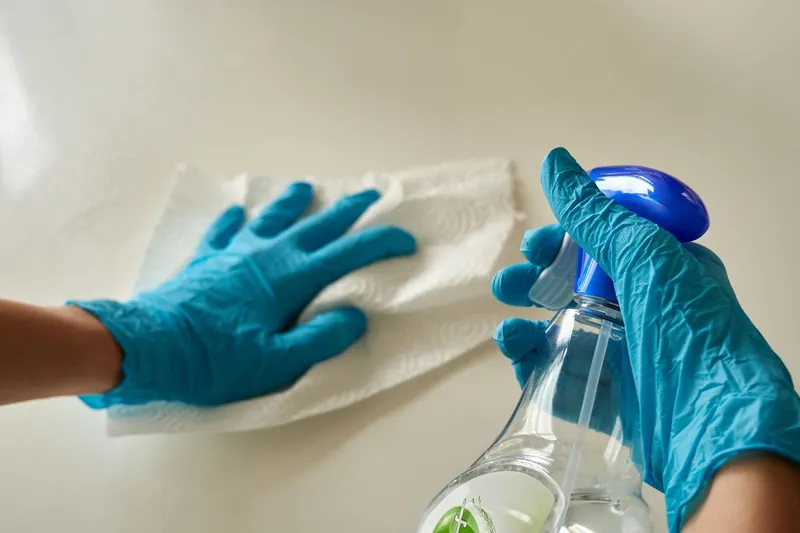
Surface soil is removed from non-porous materials at the start. An EPA-registered disinfectant is then applied and kept wet for the full label contact time.
Technicians first eliminate source material, then use an air scrubber or another method to treat odor. Technicians examine surrounding areas and air vents wherever odor moved.
Sharps and contaminated waste are documented, closed inside appropriate containers and transported using the disposal path required for each waste type.
Technicians inspect the finished area, complete the cleanup documentation and tell the owner or manager about any necessary replacement of furniture, walls or floors.
Call at any time. You speak with a hotel, Airbnb and rental biohazard cleanup specialist who outlines the process and schedules a start time with you.
The health risk to tenants, staff and guests can be serious because bodily fluids, hidden contamination and sharps may be present even where visible impact seems minor.
After soaking into bedding and carpeting, fluid can spread to carpet pad, subflooring, furniture seams and the edges of walls. Cleaning only the mark you can see leaves subsurface material behind.
Hosts, guests and housekeepers can face exposure if a loose needle pierces their skin. Hazardous waste, including sharps, must go into appropriate containers and follow the relevant disposal rules.
Responding discreetly respects the dignity of everyone involved. Restrict access, do not circulate pictures and tell employees only what they must know to prevent entry.
Can you clean it yourself? An employee may be able to manage a few drops on a non-porous hard surface if that exposure is covered by the worker's duties, training and protective equipment. Professional cleanup is appropriate when you find sharps, cannot identify every edge of the affected area, or see that fluid reached carpet, furniture, wall cavities or bare wood.
Many single-room rental cleanups can be completed in one to three days, but the time cannot be set until the affected area and materials are assessed. Deep contamination, several rooms or structural removal may extend the work.
| Scene | Typical time on site |
|---|---|
| Hard-surface cleanup limited to one room | Often about one day |
| Typical room with carpet or furniture work | Often one to three days |
| Multiple affected rooms or removal of building materials | May take several days |
Effective odor work starts by locating its source and taking that material out. Used alone, bleach, fragrance or an ozone machine will not clean fluid trapped beneath furniture, in carpet padding, under a subfloor or inside a wall cavity. Air treatment lasts only when source material is first exposed and then cleaned or removed.
After source cleanup, HEPA air scrubbers can help capture airborne particles. Hydroxyl treatment may be used in suitable occupied-building settings, while ozone requires an empty, controlled area and careful re-entry steps. HVAC returns, hallways and adjacent units are checked when odor moved beyond the original room.
Under 29 CFR 1910.1030, OSHA's Bloodborne Pathogens Standard covers employees reasonably at risk from blood or potentially infectious materials at work.
Use an EPA-registered disinfectant approved for the organism and surface being treated, keeping that surface wet for the entire label contact time.
Washington's biomedical waste law covers human blood and blood products. The Utilities and Transportation Commission oversees companies that haul it, and local health departments set handling rules, so it should not go in household trash. Whether material counts as regulated medical waste, sharps or another type determines the proper disposal path.
Local health and building rules can affect how a contaminated room is cleaned and when it can be used again, so mention any notice you have received from the city or county. Wait for law enforcement or the medical examiner or coroner to release the property before you go inside or disturb belongings.
The full hotel, Airbnb and rental biohazard cleanup guide covers what is cleaned or removed, odor and air quality work, and the rules that apply in your state.
Read the full hotel, Airbnb and rental biohazard cleanup guide
Local housing, population and access details can shape containment, access and cleanup planning.
Rental housing represents 9.5% of households here, so cleanup information should still explain when a landlord must approve structural work.
Local housing centers on 1985, making inspection beneath finished surfaces important when contamination extends past the visible area.
In Maltby, 166 older adults live alone, so relatives may need clear photos and records when managing cleanup from afar.
Because 91.4% of local housing is single-family, owners often can make direct decisions about removing affected structural materials.
Your phone conversation can include questions about service in nearby ZIP codes and communities.
Removal and disinfection of blood, body fluids and other infectious material from any property.
See biohazard cleanup
Blood cleanup on carpet, hard floors, walls and furniture with safe disposal.
See blood cleanup
Homes, care environments and businesses receive bodily fluid cleanup and disinfection.
See bodily fluid cleanup
When a death remains undiscovered for days, cleanup addresses decomposition and controls odors.
See unattended death cleanup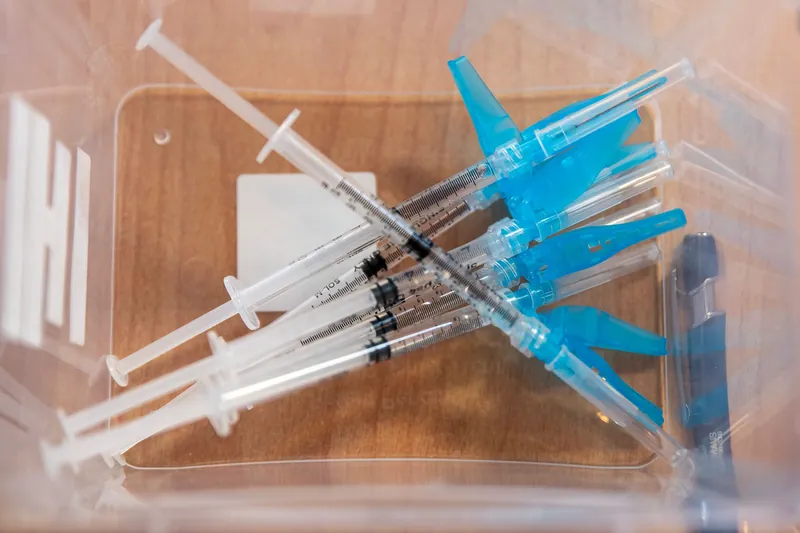
Needles and other sharps are removed from rentals, yards, encampments and parks.
See needle and sharps cleanup
Floors, underlying subfloors and furniture receive urine cleanup with odor removal.
See urine cleanup
Vomit cleanup and disinfection to stop norovirus and other germs from spreading.
See vomit cleanup
Waste, filth and bodily fluids are cleaned following evictions and tenant departures.
See eviction and tenant Move-Out biohazard cleanupContact a cleanup professional if you discover human waste, blood, bodily fluids, unsecured needles or possible contamination odor after a guest's stay. Professional cleanup is also appropriate when a spill reached carpet, a mattress, upholstery, unfinished wood or a wall cavity. The listing should remain closed while you keep ordinary turnover cleaning staff from assessing the area.
Air treatment starts only after technicians locate and remove the odor source. Reaching fluid below the surface can require opening up wall materials, subfloor, carpet pad or furniture. Any air quality concerns that remain following cleaning and disinfection may be treated with air scrubbing or another suitable process. Fragrance alone does not remove a biohazard source.
A minor spill can fall within an employee's role when that exposure is covered by the job's protective equipment, training and exposure plan. Larger spills, hidden contamination, sharps and porous materials need a controlled biohazard cleaning process. When a job can expose employees to blood, the OSHA Bloodborne Pathogens Standard establishes workplace requirements.
It depends on whether bodily fluids reached absorbent layers that cannot be fully accessed. Minor surface contamination may be cleaned when the material is compatible, while fluid within carpet padding, a mattress or an upholstered cushion often means removal. The decision is based on contamination depth and whether every affected surface can be cleaned and disinfected.
Cleanup necessary for the building and its future occupants is generally arranged by the manager or owner. Who ultimately pays may depend on the lease, the cause, local law and the insurance decision. Report the event to the relevant property insurance company and keep booking records, incident notes, photos, invoices and cleanup documents.
It is professional cleanup for blood, bodily fluids, human waste, sharps and other contaminated materials in hotels, Airbnb units, vacation rentals and long-term rentals. The work includes controlling access, removing materials that cannot be disinfected, cleaning hard surfaces, applying the right disinfectant for its full contact time and treating source odor.
You can request respectful, discreet hotel, Airbnb and rental biohazard cleanup 24 hours a day, and crews use unmarked vehicles.